
The Scenario
A graduate school philosophy professor presented me with a scenario based on aesthetic theory. He suggested that someone could be rendered virtually paralyzed in the presence of pure beauty. That you could become overwhelmed with awe to the point that you could not function normally. Your primary feelings could overload your rational thoughts, creating a surreal circumstance that shakes your reality. It could prevent you from moving forward until you are somehow able to process, resolve, or overcome this sublime experience.
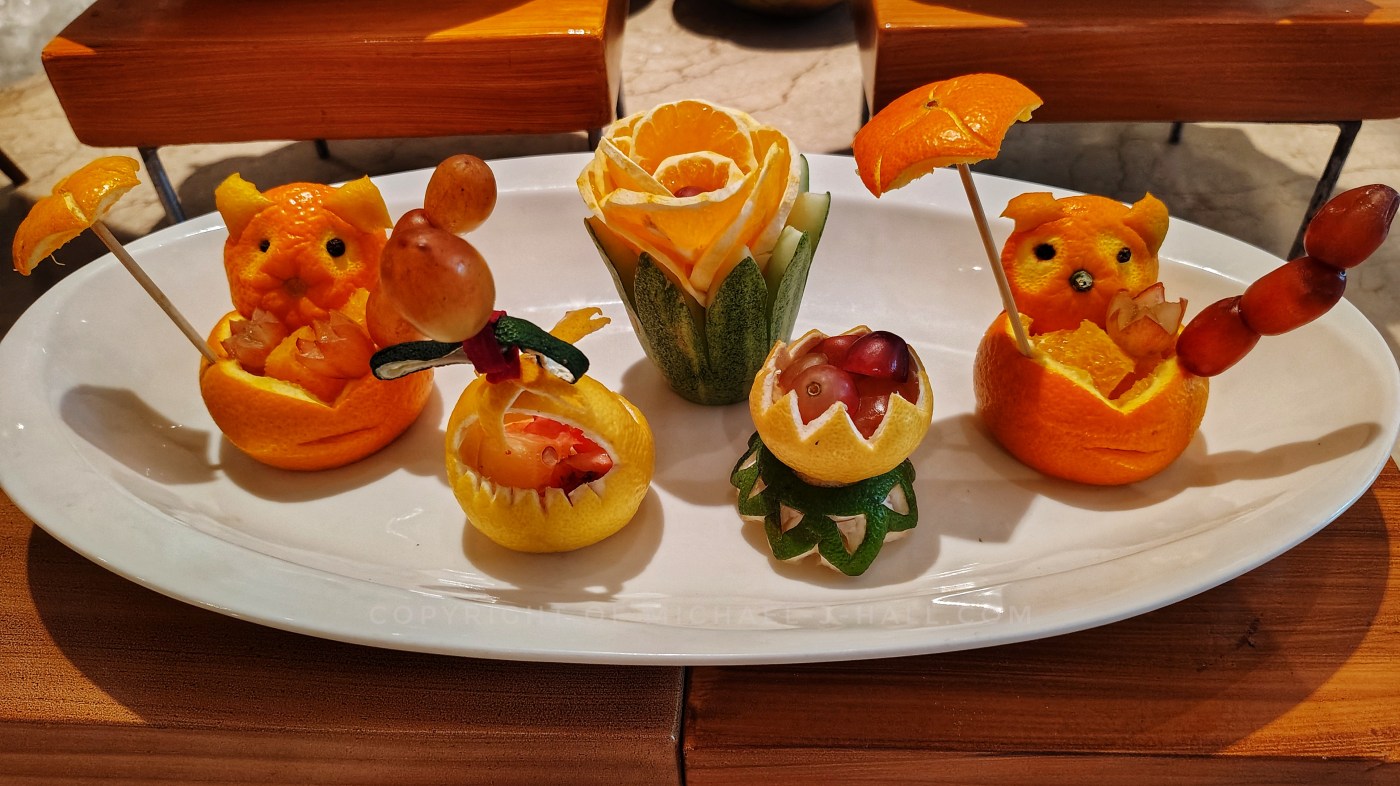
That seemed rather far-fetched and superficial to me. He continued with the premise that this could even happen with food. Feasibly, one could be presented with a plate of food that was so aesthetically pleasing that they could only marvel at its beauty and not bear to eat it. One might even go so far as to suffer from hunger and starve rather than ruining the elegance and allure of the offering in front of them.
I couldn’t imagine a more foolish thing as to be so enamored with the surface beauty of an object that it would prevent me from eating. Even if I did admire it in the moment, my practical mind would immediately rise and prompt me to eat before it spoiled. We were stalemated in this argument since he felt it was possible and that he even experienced it. To which I countered, “it clearly didn’t make you die of hunger. Instead you let it go to waste?” He said he gave it to someone else at the table and ate something less appealing for the meal. I pressed further as devil’s advocate, “didn’t it upset you to see someone else eat this spectacle of beauty?” He claimed he couldn’t watch them take the first bite, but it got easier as they continued eating it and it became more abstract from the original image.
I can reliably state this has never happened to me and likely never will. And even if it should, I’ll make sure that someone grabs a photo and shares it on Instagram before I tear into the dish and destroy the miracle sight laid before me.

The Shivers
The professor and I did continue this conversation, but focused instead on the acknowledgment of beauty in things, the miraculous nature of them, and their otherworldly implications. I couldn’t deny this – I have on several occasions felt awed and overwhelmed by the works of nature and of mankind. Whether walking in the woods or visiting a museum or listening to a performance or witnessing acts of kindness, some moments have caused euphoric responses. Leaving my skin and soul tingling in delight and that some might describe as feeling touched by the divine.
Until recently I was unaware that this reaction of raised hairs and goosebumps to these sorts of encounters even had a name. Known as a “frisson” (french for shiver), the sensation generally only lasts a few seconds. Other names for this are psychogenic shivers or aesthetic chills, most commonly evoked while listening to music. However, any audibly or visually expressive form may activate this type of sympathetic nervous system response. For me it has been the resulting combination of visual and aural stimuli that triggers the effect – not limited to a physical response, but an emotional one as well.
There are three times that I can vividly recall this happening. Once was while attending a community choral performance in the central part of the state. The classical piece was “The Beatitudes” by Paul Mealor. It was not a song that I knew nor could understand from the lyrics. In that small performance hall those few dozen voices undulated over and reverberated through me. I could feel the somber music resonate in my chest, causing my throat to choke up and tears well in my eyes. As I watched the performers harmonize in unison and more of the melodious tones washed over me, the only thoughts I could muster were “could anything be more beautiful?”.
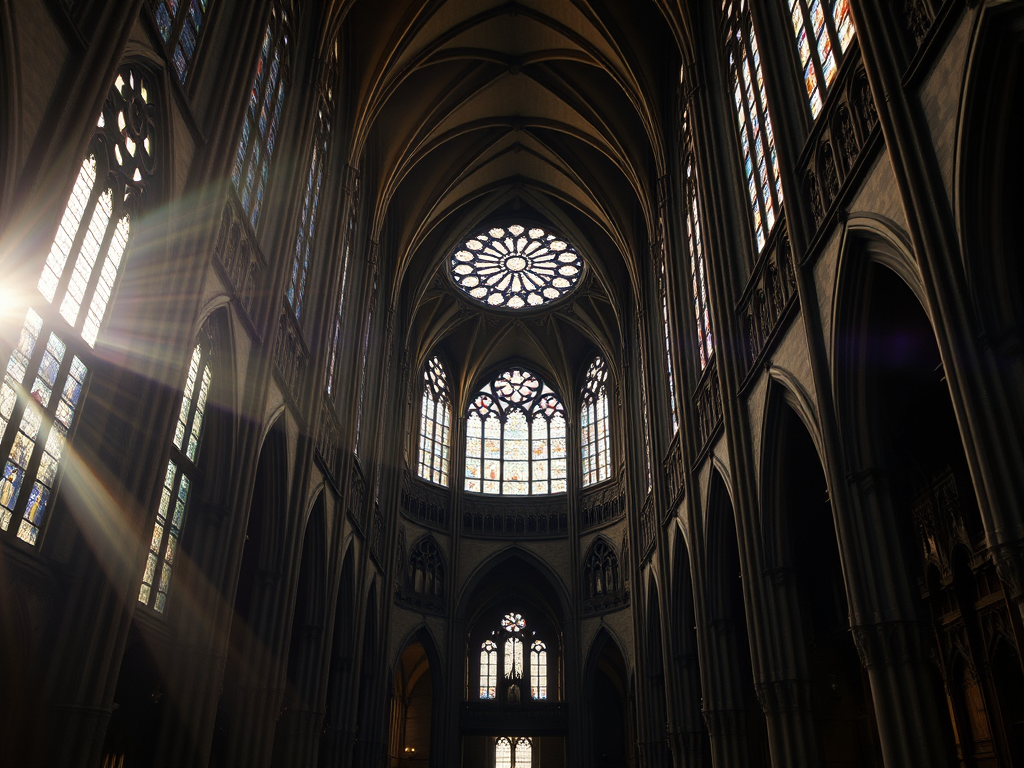
On another occasion, in the final year of my undergraduate program one of the assignments we were given was to visit and provide a detailed write up of a prominent work of architecture. I chose a Victorian Gothic era cathedral near the seacoast. It was a building that I had been to previously, but this time there was no mass or service of any kind underway. I had arranged with the pastor a time to visit when I would be able to take photos and make sketches. The priest unlocked the door for me and gave me some brief guidance about the being respectful within the church, then he promptly left me to my work. The heavy, carved wooden door creaked and banged closed behind him. My camera shutter echoed as I focused and snapped frame upon frame in the natural light. Suddenly I realized how vast this space was and that it contained so many delicate and intricate details that I couldn’t possibly do it justice. Colored beams shimmered through rows of tall narrow stained glass art, creating a dancing mosaic on the polished floors. Shafts of clear, bright white light cut through the clerstory windows and created the illusion that the vaulted ceiling hovered above the glossy ornate pillars that stretched upward to the sky. A prickling sensation raced down my spine. Even flecks of dust floating in the streams of light looked like bits of golden confetti falling from the heavens. Again, I couldn’t imagine anything more beautiful in that moment.
Yet another time, a few years earlier, in an historic part of town on the first weekend of December there was a candlelight stroll held with a tour of the vintage homesteads decorated for the season. The evening was cold, but dry and calm. There was no snow on ground, but the crisp night air hinted it would arrive soon. The home decorations were kept simple and period appropriate. The brick and cobblestone walks were lined with hundreds of small white waxed paper bags every few feet. The tops of the bags were rolled down like cuffs of a sleeve. The softly flickering lanterns illuminated the paths. There were families and children popping from house to house exchanging pleasant tidings and receiving mulled cider or hot cocoa. One preschool aged child accidentally dropped their drink as it slipped from their mittened hand. They froze momentarily to process what had happened and were just about to burst with tears. Another child not much older saw what had happened and instantly approached the preschooler, saying “Here – you can have mine if you want it. I didn’t even have a sip from it.” My neck tingled and my heart warmed at this exchange. Maybe the chill air made my eyes tear with joy, but in that picturesque scene I wondered, “what could be more beautiful than this?”

The Summary
Studies have found that people who experience frisson also tend to have six other traits associated with openness to experience. Those other traits include, an aesthetic sensitivity (of course), an active imagination, an attentiveness to inner feelings, a willingness to challenge authority, an intellectual curiosity, and a preference for variety or adventure. Though these might not be conspicuous in all who experience frisson, many of them likely do appear in subtle ways.
Adventure seeker and challenger of authority are not monikers people would normally associate with me. Under the certain conditions and within reason, anything is possible. After all, countering the perspective of a professor that is responsible for my grade could be considered quite risky.
Have you ever experienced frisson? If so, do you find that you also have those 6 traits of openness? Would be interested to hear your experiences in the comments section.
Words and images by Michael J. Hall unless otherwise noted
Discover more from michael-j-hall.com
Subscribe to get the latest posts sent to your email.

 michael-j-hall.com
Leave a comment