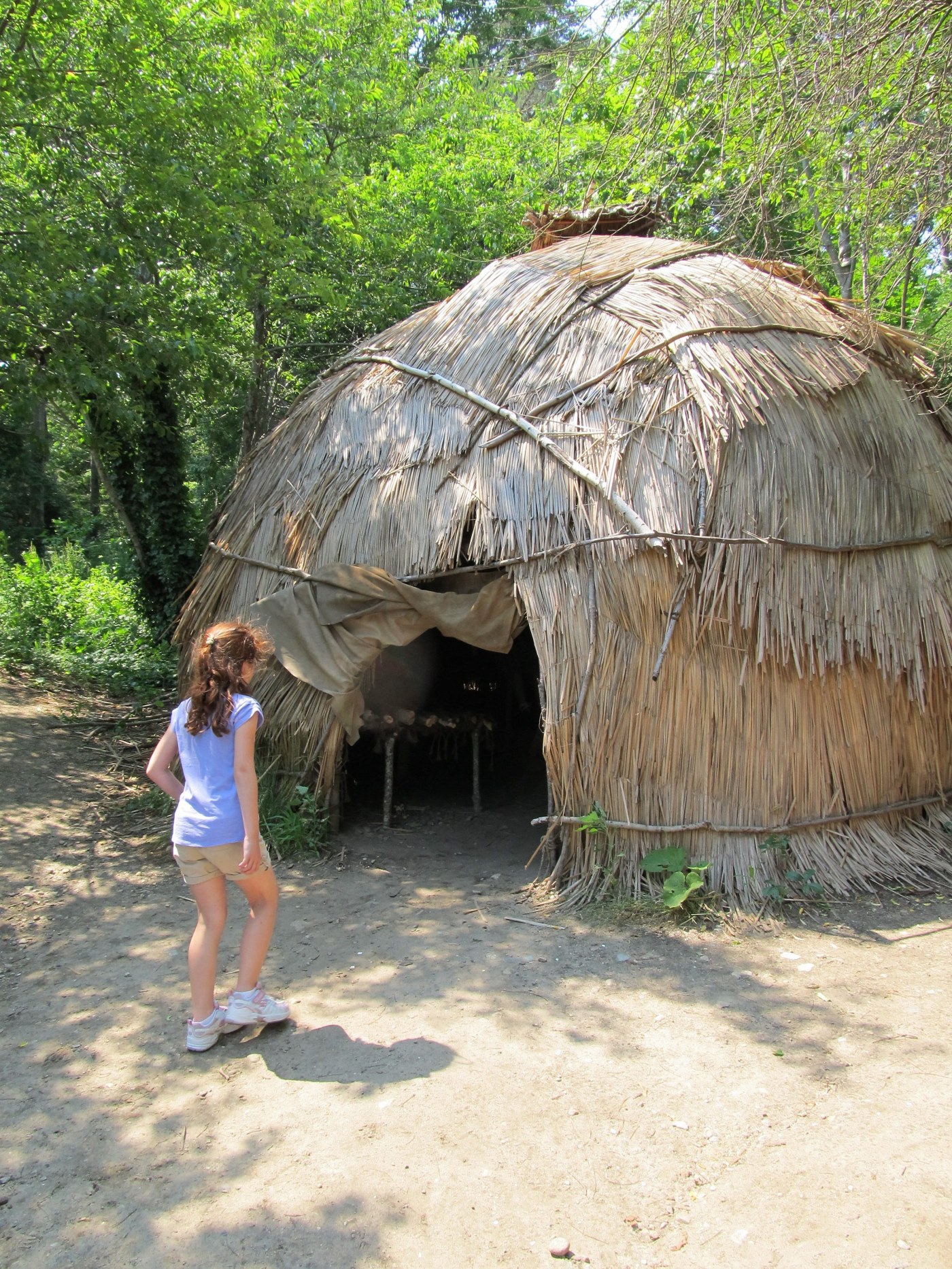
It’s probably no coincidence that the U.S. recognizes November as both Native American Heritage Month and the annual celebration of Thanksgiving. After all, we were brought up with stories of the Pilgrim’s first Thanksgiving shared in harmony with a welcoming of Indigenous Peoples from the region. Though much of this romanticized depiction has since been refuted – for good reason.
The myth was created centuries after the original events and white washes the history of the time. The tale suggests that nothing significant happened in America prior to the arrival of the Pilgrims. And that the nameless tribes would readily relinquish their ancestral lands for the benefit of the Christian Europeans.
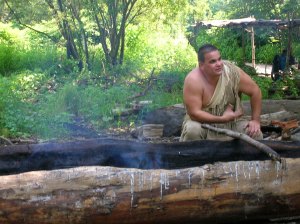
Most people don’t know that the Wampanoag Nation were the Native Peoples that occupied the lands around the coast of Massachusetts when the Mayflower arrived and joined their first harvest feast. Or that the Wampanoags have a history in the region extending back 12,000 years. Or that this was not their first encounter with Europeans when the Pilgrims disembarked at the infamous rock. Or that some had been previously forced into slavery overseas, learned English, and escaped to return home (e.g. Squanto). Or that the purpose of the Wampanoag leader, Massasoit, seeking out the English intruders was to create an alliance against the neighboring rival Narragansett tribe. Or that the treaties were tenuous at best as the Wampanoags lost more and more control of their lands to the incoming Europeans over the next few decades.(*)
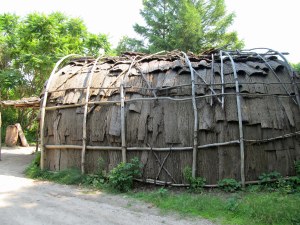
This is not the image of the harvest feast most of us envision when we think of what occurred over 400 years ago. For the Wampanoag people there is a sense of sorrow tied to these events and most school aged retellings are a sad reminder. The People of the First Light, as their name translates, have proven to be an adaptive and enduring tribe over several millennia. But the Mashpee Wampanoag are not without struggles even in modern times. It’s hard to imagine that only in the past 20 years they were federally recognized as a tribe once again and had 320 acres of Massachusetts land officially declared as their initial reservation.
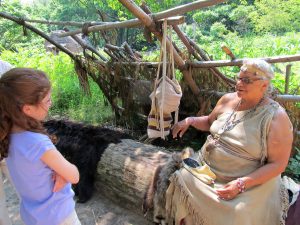
For the 30-35 million current U.S. citizens like me who can trace relatives back to the Mayflower, it’s doubtful we’d be here today without the assistance of the Wampanoag Nation. Fortunately for us they were there. So, as we spend this Thanksgiving holiday together in the tradition of gathering, storytelling, community, games, heritage, and feasting it’s a reminder not only to reflect on our privileges, but on ways to give back, too.
Learn more about the Mashpee Wampanoag tribe, sign up for their newsletter, donate, or find other ways to support them:
https://mashpeewampanoagtribe-nsn.gov/
Thank you for your kind consideration!
Words and images by Michael J. Hall unless otherwise noted
(*) Silverman, David J. (2019-11-05). “This Land Is Their Land: The Wampanoag Indians, Plymouth Colony, and the Troubled History of Thanksgiving.” Bloomsbury Publishing USA. ISBN 978-1-63286-926-5.
Discover more from michael-j-hall.com
Subscribe to get the latest posts sent to your email.

 michael-j-hall.com
Leave a comment